Cytoreductive Surgery (CRS)
& Hyperthermic Intraperitoneal Chemotherapy (HIPEC) in Singapore
Advanced Treatment for Peritoneal Surface Malignancies & Stage IV Abdominal Cancers
Historically, when cancer spread to the peritoneum (the lining of the abdominal cavity), treatment options were limited. Today, Cytoreductive Surgery (CRS) combined with Hyperthermic Intraperitoneal Chemotherapy (HIPEC) offers a highly effective, targeted solution that has significantly improved survival outcomes for selected patients with advanced abdominal cancers.
What is CRS and HIPEC?
CRS and HIPEC is a two-step, single-procedure designed to eliminate both visible and microscopic cancer inside the abdomen.
Cytoreductive Surgery (CRS)
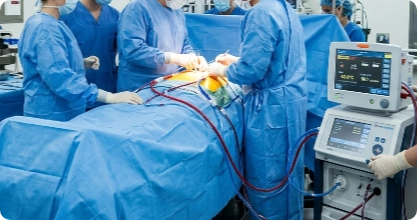
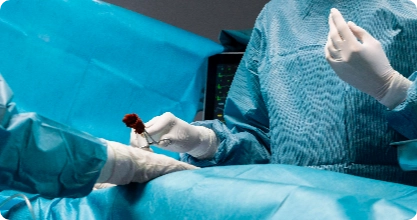
Removes all visible tumors from the abdomen. Our surgical oncologists meticulously remove all visible tumors and affected tissue from the abdominal cavity.
Heated Intraperitoneal Chemotherapy (HIPEC)
Circulates heated chemo (41-42°C) to kill microscopic cells. Immediately following surgery, a specialized perfusion machine circulates heated chemotherapy (warmed to ~41-42°C) directly throughout the abdominal cavity for 60 to 90 minutes.
Why Heat the Chemotherapy?

Deeper Tissue Penetration:
Heating the drug improves penetration into remaining tissue.

Synergistic Cancer-Killing Effect:
Heat naturally weakens cancer cells, making them more susceptible to chemotherapy.

Targeted High Doses:
Because the chemo is confined to the abdomen, higher doses can be used safely without exposing the rest of the body
to toxicity.

Fewer Systemic Side Effects:
Patients experience less of the traditional side effects (like hair loss or organ stress) associated with systemic (IV and oral) chemotherapy.
Who is a Candidate for HIPEC?
Not all stage IV or abdominal cancers are suitable for HIPEC. Candidates are evaluated through a thorough multi-disciplinary assessment based on:
Cancer Origin: Primary cancers originating in the ovaries, colon, rectum, appendix, or stomach, as well as primary peritoneal mesothelioma or pseudomyxoma peritonei (PMP)
Confinement to the Abdomen: Disease must be restricted to the abdominal cavity, with no distant spread to lungs, brain, or bone.
Surgical Fitness: The patient must be medically fit to undergo major surgery and anesthesia.
What to Expect: The Patient Journey
|
Phase |
What Happens |
|---|---|
|
I. Pre-Surgery Evaluation |
Scans (CT/PET), blood tests, and a thorough assessment by our surgical oncology team to map out your personalized treatment plan. |
|
II. The Procedure Day |
Performed under general anesthesia in a specialized operating theater. The combined surgery and HIPEC delivery may take 6 to 12 hours depending on the extent of disease. |
|
III. Hospital Recovery |
Post-surgery monitoring in the ICU/HDU, followed by recovery ward (typically 7 to 10 days in hospital). |
|
IV. Long-Term Surveillance |
Regular follow-up scans and consultations to monitor recovery and ensure long-term disease control. |