Colonoscopy in Singapore: Specialist Lower GI Screening & Polyp Removal
Comprehensive Colorectal Cancer Prevention & Symptom Evaluation
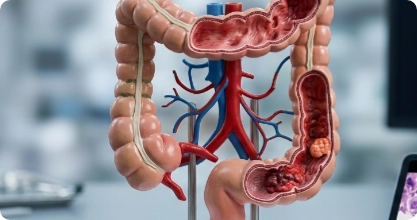
Colorectal cancer is one of the most common cancers in Singapore, yet it is also one of the most preventable. A Colonoscopy allows our surgeons to directly examine the interior lining of your large intestine (colon and rectum), identify pre-cancerous polyps, and remove them on the spot before they turn into cancer.
Who Should Get a Colonoscopy?
Colonoscopies are recommended both for investigating active digestive symptoms and as part of routine preventive screening.
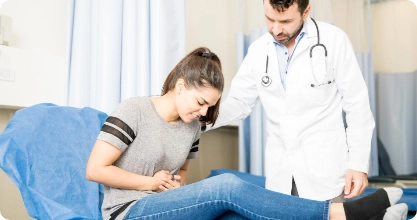
1. Investigating Warning Symptoms
Blood in Stool: Bright red or dark, tarry stools.
Persistent Change in Bowel Habits: Unexplained chronic diarrhea, constipation, or alternating bowel patterns lasting more than a few weeks.
Unexplained Abdominal Pain or Cramping: Persistent discomfort or bloating in the lower abdomen.
Unexplained Weight Loss or Anemia
2. Routine Screening & Prevention
Age 45 and Above: Recommended baseline screening threshold for all average-risk individuals.
Family History: Close relatives diagnosed with colorectal polyps or colorectal cancer (screening should begin 10 years earlier than the youngest affected relative).
Personal History: Previous diagnosis of polyps or Inflammatory Bowel Disease (IBD / Ulcerative Colitis).
How Polypectomy Prevents Cancer
Most colorectal cancers begin as small, non-cancerous clumps of cells called polyps.
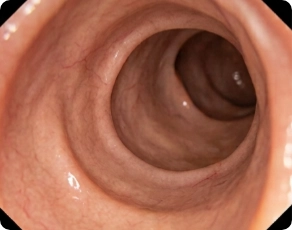
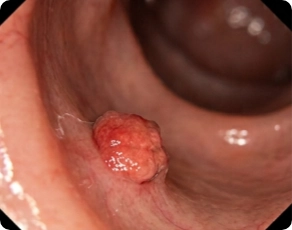
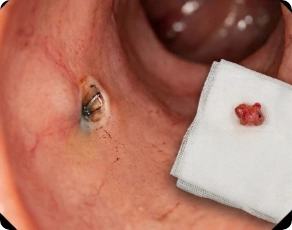
Silent Growth: Polyps rarely cause symptoms when small.
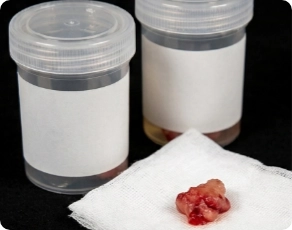
Same-Day Removal: During your colonoscopy, if polyps are discovered, they are removed painlessly using specialized endoscopic tools (polypectomy).
Pathology Analysis: All removed polyps are sent to the laboratory to confirm tissue characteristics and ensure complete clearance.
What to Expect: The Patient Journey
A colonoscopy is a smooth, painless day-surgery procedure completed in 20 to 30 minutes.
Phase

1. Bowel Preparation

2. Comfort & Sedation

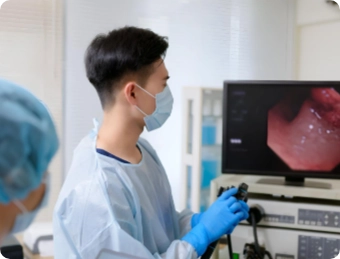
3. Endoscopic Examination

4. Same-Day Discharge
What Happens
Taken the day before/morning of the scope to gently clear your colon, ensuring crystal-clear visualization.
Conducted under mild intravenous sedation administered by an anesthetist. You will be asleep and comfortable.
A flexible scope with a high-definition camera is guided through the colon. Polyps or suspicious tissues are removed immediately.
Rest in the recovery bay for 30–60 minutes. You may be given some food and drinks before you head home.
Why Choose Melissa Teo Surgery?
Senior Surgical Oncology Expertise: Performed by senior surgical oncologists experienced in detecting subtle, early-stage mucosal changes.
Seamless Surgical Continuity: If complex or large polyps are found, our surgical oncology background ensures advanced endoscopic or minimally invasive laparoscopic solutions are readily available.
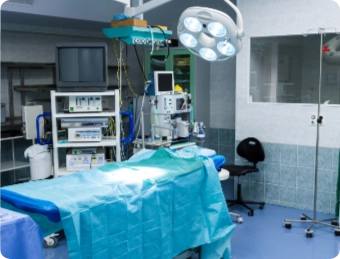
Accredited Day Surgery Facilities: Procedures take place at premier medical suites
Direct E-Filing & Financial Assistance: Fully accredited for Medisave and major private Integrated Shield Plans.